
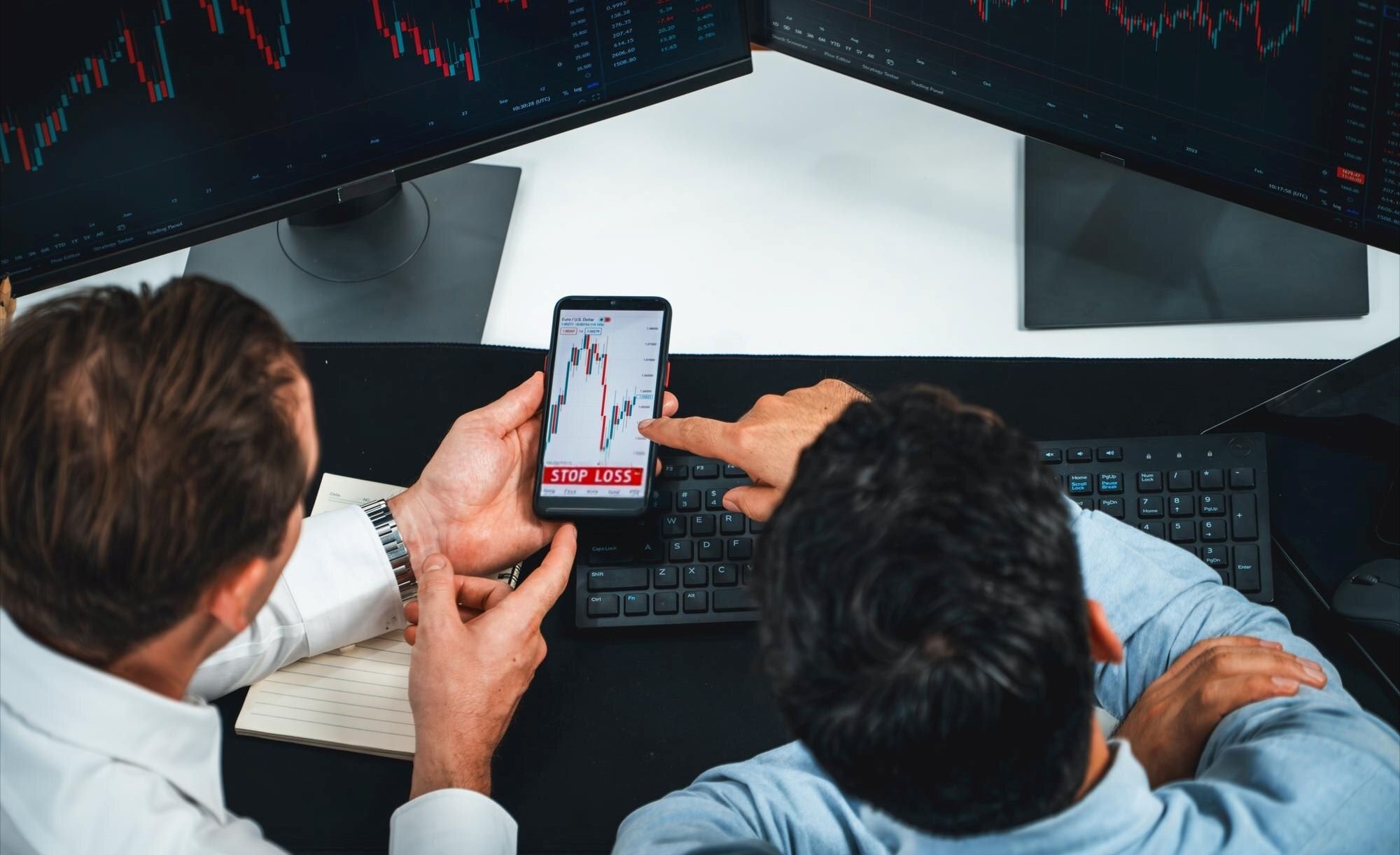
Ever felt like you missed the perfect moment to buy or sell your stocks, crypto, or any asset? Well, you’re not alone. Price alerts and stop-losses are the superheroes of trading and investing that keep you in the loop and protect your hard-earned money — even when you’re not glued to the screen. Think of price alerts as your personal watchdogs that bark when your asset hits a certain price. Stop-losses? They’re the safety nets that automatically pull you out of a trade if things start going south. This guide is your step-by-step roadmap to mastering these tools, making sure you never get caught off guard again. Let’s dive in!
What Are Price Alerts and Stop-Losses?
Price alerts and stop-loss orders are essential tools that every investor or trader should understand and use to manage their investments effectively. Price alerts function as customizable notifications that inform you when an asset’s price reaches a level you’re interested in. Imagine setting your phone to buzz as soon as your favorite stock or cryptocurrency hits a certain target—this way, you don’t have to be glued to the market all day but can still stay on top of important price movements. These alerts allow you to stay updated without having to constantly monitor price charts, enabling you to react swiftly when opportunities or risks arise.
Price alerts are incredibly useful for planning your buying or selling strategies. When the market moves quickly, knowing exactly when an asset reaches a specific price can mean the difference between capitalizing on a profit or preventing a loss. Whether you’re waiting for a stock to dip before buying or hoping it climbs to sell, price alerts keep you informed and ready to act. They are particularly valuable for traders who want to catch timely market moves without spending all their time staring at screens.
On the other hand, stop-loss orders serve as a protective mechanism designed to limit losses on a trade. By setting an automatic instruction to sell your asset once its price falls to a certain point, you create a safety net that helps avoid significant financial damage. For example, if you purchase shares at $100 but set a stop-loss at $90, your position will automatically be sold if the price drops to $90, preventing further loss if the asset continues to decline. This tool is crucial in volatile markets where prices can swing dramatically in short periods, as it helps you stick to your risk tolerance and investment plan.
Stop-losses not only protect your capital but also take emotions out of the trading equation. Often, investors hold on to losing positions out of hope or fear, which can exacerbate losses. By automating the exit point, stop-loss orders help enforce discipline, ensuring you sell before losses become unmanageable. Combined with price alerts, these tools give you a structured approach to managing your portfolio, making sure you’re informed and protected no matter how the market moves.
How to Set Price Alerts
Setting price alerts is a smart way to keep track of your investments without constantly monitoring the markets. Here’s a detailed, step-by-step guide to help you set up effective price alerts and stay ahead of the game:
- Choose the Right Platform:
Start by selecting a trading platform or financial app that supports price alerts. Popular platforms like Robinhood, Coinbase, TradingView, and Yahoo Finance offer these features with different options for customization and notifications. Make sure the platform you pick fits your needs, whether you trade stocks, crypto, or other assets. Consider how the alerts are delivered—whether by push notifications, email, or SMS—to ensure you won’t miss important updates. - Set Your Target Price:
Think carefully about the price points where you want to be alerted. This could be a price above your current holding if you’re looking to sell at a profit, or a price below your current holding if you want to monitor dips and potentially buy more. Setting clear and realistic target prices based on your trading strategy is key to making alerts useful and actionable. - Customize Alert Types:
Different platforms allow you to tailor alerts based on various conditions. You might want alerts for when the price crosses above or below a certain threshold, when there’s a percentage change within a specific timeframe, or even when trading volume spikes or other technical indicators activate. Customizing these alert types helps you focus on the market moves that matter most to your strategy. - Choose Notification Preferences:
Decide how you want to receive your alerts so you don’t miss them. Options typically include app push notifications, SMS messages, and emails. Make sure you select the method that grabs your attention the best. For some, a quick buzz on their phone is perfect; for others, a detailed email with charts might be preferable. Setting clear and timely notifications ensures you can respond fast when the market moves. - Test Your Alerts:
After setting alerts, it’s a good idea to test them, if the platform allows. This helps confirm that you’ll receive notifications correctly and that your settings reflect your intended target prices and conditions. Testing avoids surprises and builds confidence in your alert system. - Review and Adjust Regularly:
Markets change, and so should your alerts. Regularly revisit your target prices and alert types to make sure they align with current market conditions and your evolving strategy. Adjusting alerts ensures they remain relevant and effective, preventing outdated notifications from cluttering your decision-making process.
Why Are Price Alerts and Stop-Losses Crucial?
| Aspect | Description | Benefit | Real-World Example | Why It Matters |
| Protect Your Investments | Markets are unpredictable and prices can fluctuate wildly in very short periods. | Limits potential losses by automatically exiting trades at predefined levels. | A stock suddenly drops due to unexpected news; a stop-loss sells your shares before the drop worsens. | Prevents large financial losses and preserves capital for future opportunities. |
| Reduce Emotional Trading | Trading decisions often get influenced by fear or greed, leading to poor timing. | Helps stick to a planned strategy by automating actions like selling or alerting. | Holding onto a losing stock hoping it will recover leads to bigger losses; stop-loss prevents that. | Keeps you disciplined and prevents costly mistakes caused by emotions. |
| Stay Informed Without Stress | Price alerts notify you when important price points are reached without constant monitoring. | Enables timely action without needing to watch markets all day. | Getting a notification when your crypto hits a target price so you can decide what to do. | Frees up your time and reduces stress while keeping you ready to act. |
| Manage Risk Effectively | Combining alerts and stop-losses helps manage overall risk in your portfolio. | Provides a structured approach to trading and investing. | Setting a trailing stop-loss that moves with your gains to lock in profits. | Helps balance risk and reward, crucial for long-term success. |
| Improve Decision Making | With clear alerts and automatic exits, you can focus on strategic decisions instead of reacting to noise. | Encourages thoughtful and proactive trading instead of reactive moves. | Using alerts to confirm a breakout before buying instead of jumping in blindly. | Leads to smarter, more profitable trading outcomes over time. |
How to Set Stop-Loss Orders
Setting stop-loss orders effectively requires understanding the different types available and how they can fit into your trading strategy. A standard stop-loss order is the most straightforward: it triggers a sale once the asset price hits a predefined level, helping you limit potential losses if the market moves against you. Another popular type is the trailing stop-loss, which adjusts automatically as the price moves in your favor, allowing you to lock in profits while still protecting against sudden reversals. There’s also the stop-limit order, which combines a stop price and a limit price, giving you more control over the execution price but with a risk that the order might not fill if prices move too fast.
Choosing the right stop-loss price is a critical step that depends heavily on your personal risk tolerance and the volatility of the asset you’re trading. Many traders follow a rule of thumb by setting their stop-loss at a fixed percentage below the purchase price, commonly between 5% and 10%. However, this is not one-size-fits-all; highly volatile assets might require wider stops to avoid getting stopped out by normal market fluctuations, while less volatile ones allow tighter stops. Assessing the market behavior and your investment goals will help you select a stop-loss level that balances risk and opportunity effectively.
Once you have decided on the type and price for your stop-loss, placing the order on your trading platform is usually straightforward. Typically, you select the asset you want to protect, choose the stop-loss order option, enter your stop price, and confirm the order. It’s important to double-check these details before submitting the order to avoid mistakes. Each platform may have slightly different interfaces, but the core process remains similar across most brokers and trading apps.
Setting a stop-loss is not a “set it and forget it” task. The market is dynamic, and your stop-loss needs to adapt as the price of your asset moves. Monitoring your positions regularly and adjusting your stop-loss accordingly helps you protect profits as prices rise and continue to limit downside risk. For example, if your asset gains value, raising your stop-loss can lock in gains while still allowing for upward movement. This ongoing adjustment is crucial for making stop-losses an effective risk management tool rather than just a safety net.
Examples of Setting Price Alerts and Stop-Losses
- Imagine you own 100 shares of a company called XYZ Corp, which you bought at $50 per share. You’re optimistic about the stock and want to lock in profits if it reaches $60. At the same time, you want to protect yourself from big losses if the price falls below $45. To do this, you set a price alert at $60 that will notify you when the stock hits that target, so you can decide whether to sell or hold. Alongside this, you place a stop-loss order at $45, so if the price dips to this level, your shares are automatically sold to limit your losses.
- Now, picture you’re investing in cryptocurrency, say Bitcoin, which you purchased at $30,000. Since cryptocurrencies are known for their volatility, you want to protect your gains but also allow the price to grow without exiting too early. In this case, you can set a trailing stop-loss that automatically adjusts to 10% below Bitcoin’s highest price since your purchase. This means if Bitcoin climbs to $35,000, the stop-loss moves up to $31,500, locking in more profit. Additionally, you set a price alert to notify you when Bitcoin’s price surpasses $40,000, so you can evaluate your next move.
- Consider a scenario where you’re trading a tech stock that tends to swing widely during earnings season. You might want to set multiple price alerts—one to notify you if the stock breaks above its recent resistance level, indicating a potential uptrend, and another alert if it drops below a key support level, signaling possible trouble. Simultaneously, you set a stop-loss just below that support to protect your investment if the price falls sharply.
- If you’re day trading volatile assets like cryptocurrencies or penny stocks, using quick price alerts combined with tight stop-losses can be vital. For example, you could set a price alert to notify you of sudden price spikes within a trading session and have a stop-loss set a few percentage points below your entry price to cut losses fast if the trade doesn’t go as planned.
Practical Tips for Using Price Alerts and Stop-Losses
| Tip | Explanation | Benefit | Common Mistake to Avoid | How to Implement Effectively |
| Avoid Setting Too Tight Stop-Losses | Placing stop-loss orders too close to the current price risks being triggered by normal price swings rather than real downward trends. | Prevents unnecessary selling due to market noise. | Setting stop-loss too close and getting stopped out prematurely. | Analyze recent price volatility and set stop-loss beyond typical fluctuations. |
| Combine Alerts with Technical Analysis | Use price alerts to confirm important technical levels such as support and resistance zones before making trades. | Enhances decision-making with market context. | Ignoring technical levels and relying solely on price alerts. | Learn key technical indicators and set alerts aligned with these levels. |
| Use Trailing Stop-Loss to Protect Gains | Trailing stops automatically adjust with favorable price movements, locking in profits while allowing for further gains. | Maximizes profit potential while managing risk. | Using fixed stop-losses that do not move with price gains. | Set trailing stops at a comfortable percentage below the peak price. |
| Stay Calm During Volatility | Market volatility can generate many price alerts that may cause anxiety or impulsive decisions. | Helps maintain discipline and avoid emotional trading. | Panicking or making rash moves due to frequent alerts. | Use alerts as information, not triggers for immediate action. |
Tools and Apps to Help You
When it comes to setting price alerts and stop-losses, having the right tools and apps can make all the difference in how effectively you manage your investments. One of the most popular platforms for forex and stock trading is MetaTrader. Known for its advanced features, MetaTrader offers sophisticated stop-loss options and customizable alerts that can be tailored to fit even the most complex trading strategies. Its ability to handle multiple indicators and provide automated order execution makes it a favorite among professional traders who want precise control and timely notifications.
For cryptocurrency traders, Binance stands out as a leading platform. It provides not only basic price alerts but also advanced trailing stop-loss options that move with the market, helping users protect their gains while riding price trends. Binance supports multiple alerts simultaneously, allowing traders to monitor various coins or trading pairs at once. Its user-friendly interface combined with robust security features makes it an ideal choice for both beginners and experienced crypto enthusiasts looking for reliable risk management tools.
eToro offers a slightly different approach, focusing on social trading, which allows users to follow and copy the trades of successful investors. Its alert system is designed to be easy to set up, making it accessible for those who may be new to investing. In addition to price alerts, eToro provides comprehensive portfolio tracking, helping investors stay informed about their overall performance while receiving notifications about key price movements. This combination of social features and alert tools makes eToro attractive for those who want to learn and grow in a community-driven environment.
StockTwits brings a unique social dimension by combining real-time crowd-sourced alerts with market sentiment data. This platform provides instant notifications based on trending stocks or cryptocurrencies that the community is actively discussing. It’s especially useful for traders who want to tap into the collective insights and emotions of the market in real time. By leveraging user-generated alerts alongside traditional price notifications, StockTwits helps traders stay ahead of market movements fueled by news, rumors, or sudden shifts in investor sentiment. Together, these apps and platforms offer a range of features suited to different trading styles and asset classes, making it easier to manage risk and seize opportunities across financial markets.