
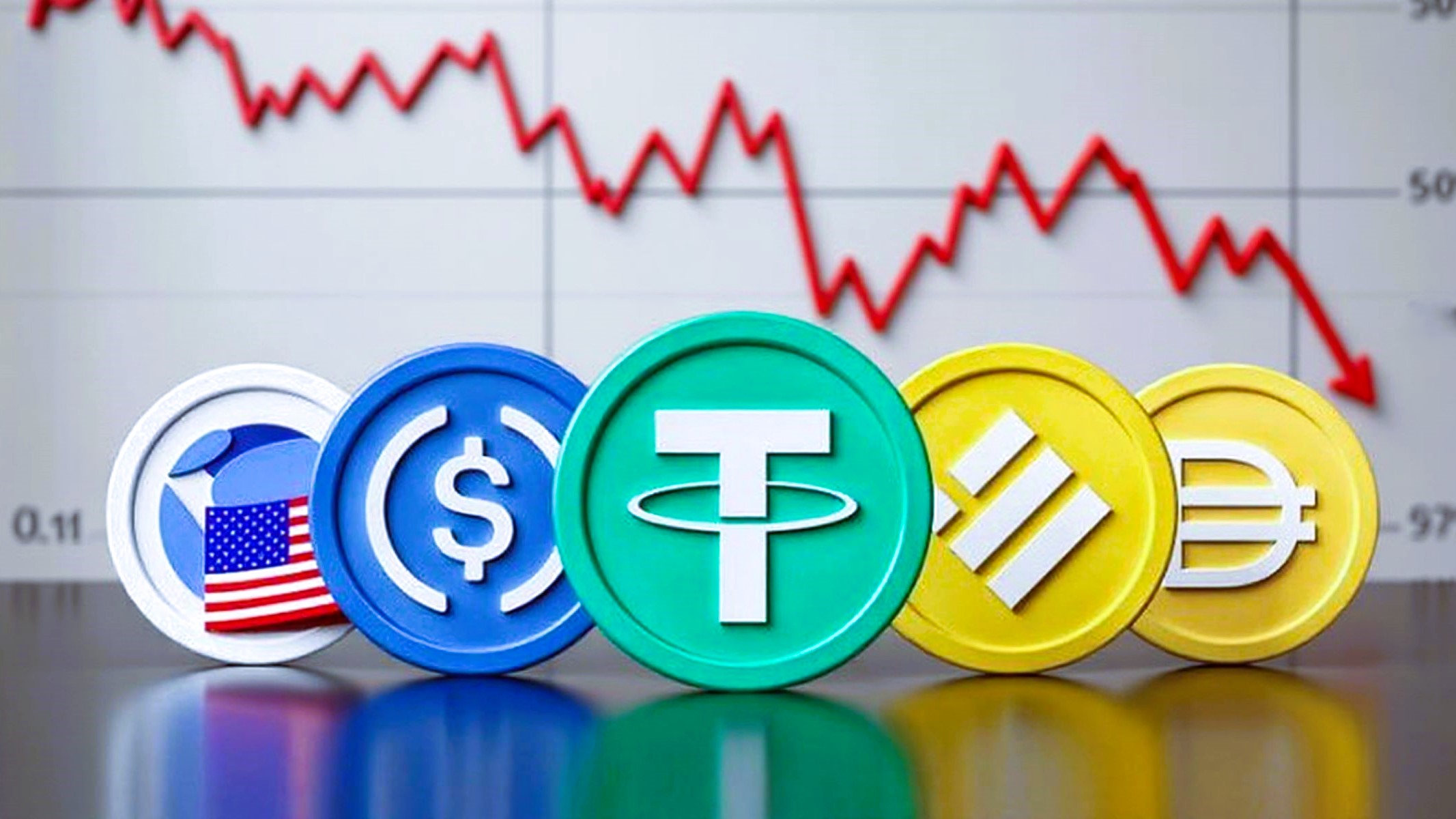
If you’ve dipped your toes into the crypto world, you know it’s a rollercoaster ride. Prices soar one day, then plummet the next. It can be exciting, but let’s be real—it can also be nerve-wracking. That’s where stablecoins come in. Imagine having an anchor in the stormy sea of crypto volatility—stablecoins are exactly that. In this article, we’re diving deep into why converting volatile assets into stablecoins during downturns is a savvy move. We’ll break down the how, the why, and the when, so you can protect your investment and maybe even profit from the chaos.
What Are Volatile Assets?
Volatile assets are investments known for their significant price fluctuations over short periods. Unlike traditional assets such as bonds or savings accounts, which tend to have relatively stable values, volatile assets can experience rapid and unpredictable changes in price. This characteristic means that the value of these assets can soar dramatically one day and then plummet just as quickly the next. Cryptocurrencies like Bitcoin and Ethereum are prime examples, often showing price swings of double or half their value within mere hours or days. This kind of price movement can be both exhilarating and nerve-wracking for investors.
The reasons behind such volatility are varied and complex. For cryptocurrencies, factors like market sentiment, regulatory news, technological developments, macroeconomic events, and large trades can trigger swift price movements. Additionally, since the crypto market is still relatively young and less liquid compared to traditional financial markets, even smaller trades can have outsized impacts on prices. This volatility reflects the market’s ongoing search for fair value amidst rapidly evolving information and investor behavior.
Volatility is a double-edged sword. On one hand, it presents an opportunity for traders and investors to make significant profits by buying low and selling high within short time frames. On the other hand, it introduces a high level of risk, where prices can move against an investor just as quickly, leading to substantial losses. This unpredictability often deters more conservative investors who prefer steadier returns. For many, the rollercoaster nature of volatile assets requires not just financial commitment but also emotional resilience to withstand sudden market swings.
Understanding the nature of volatile assets is crucial for anyone interested in investing in them. It’s important to recognize that these investments are not suited for everyone, especially those with a low risk tolerance or a short investment horizon. While the potential rewards can be enticing, so too are the risks. As a result, managing exposure to volatile assets carefully, such as by diversifying one’s portfolio or converting part of holdings into more stable forms during downturns, can be essential strategies to protect capital while still participating in the market’s growth potential.
What Are Stablecoins?
| Stablecoin | Backing Asset | Peg Type | Key Features | Popular Use Cases |
| Tether (USDT) | Fiat currency (US Dollar) | Fiat-collateralized | Most widely used stablecoin; highly liquid; issued on multiple blockchains like Ethereum, Tron, and Binance Smart Chain | Trading pair in crypto exchanges; quick transfers; hedging against volatility |
| USD Coin (USDC) | Fiat currency (US Dollar) | Fiat-collateralized | Regulated with regular audits; transparent reserves; supported by major exchanges | Payments, remittances, DeFi lending platforms |
| Dai (DAI) | Crypto collateral (ETH, etc.) | Crypto-collateralized | Decentralized and algorithmic; governed by MakerDAO community; maintains stability through smart contracts and collateral management | Decentralized finance (DeFi) applications; lending and borrowing |
| Binance USD (BUSD) | Fiat currency (US Dollar) | Fiat-collateralized | Regulated by New York State Department of Financial Services; tightly integrated with Binance ecosystem | Trading and payments within Binance; cross-border transfers |
| TerraUSD (UST)* | Algorithmic | Algorithmic stablecoin | Maintains peg through supply adjustments via algorithms without collateral backing | Used primarily in DeFi ecosystems for yield farming and transactions |
Why Convert Volatile Assets Into Stablecoins During Downturns?
Converting volatile assets into stablecoins during market downturns might sound straightforward, but the reasoning behind it goes well beyond simply avoiding losses. There are several compelling reasons why this strategy is wise, especially when the market takes a dive. Let’s take a detailed look at why converting to stablecoins can be a smart move during turbulent times.
- Preserving Capital and Avoiding Further Losses: When markets plunge, the value of volatile assets like Bitcoin or Ethereum can shrink rapidly, often resulting in significant losses if you hold on too long. By converting these assets into stablecoins, you effectively lock in your current value. Stablecoins maintain a steady price peg, usually to the US dollar, which protects your investment from the cascading declines typical in downturns. This way, you don’t just watch your portfolio shrink — you secure your funds in a stable form until conditions improve.
- Maintaining Liquidity for Flexibility: Stablecoins are designed to be instantly accessible and highly liquid. Unlike fiat currency, which can take time to withdraw or deposit through banks, stablecoins can be traded, transferred, or used almost immediately within crypto exchanges and wallets. This liquidity ensures that you retain the ability to react quickly to new opportunities or market changes without being stuck waiting for traditional financial processing times. It’s like having cash on hand during a storm — you’re ready to move fast.
- Hedging Against Market Uncertainty: Markets can be unpredictable and fraught with risk, especially during economic instability or geopolitical tensions. Holding onto volatile assets in such an environment can be stressful and financially risky. Stablecoins act as a safe harbor or financial refuge during these times. They allow you to pause, assess the situation calmly, and plan your next steps without the pressure of watching your assets swing wildly up and down. This risk management aspect is critical for both casual investors and professional traders.
- Facilitating Quick Re-entry Into Riskier Assets: One of the biggest advantages of holding stablecoins during downturns is the ability to jump back into volatile markets quickly when the time is right. Because stablecoins are widely accepted and easily convertible, you can seize market rebounds and potential profit opportunities without delay. This quick re-entry capability helps you stay agile, capitalizing on upward price movements without the friction of moving money through slower traditional banking channels.
- Reducing Emotional Stress and Decision Fatigue: Watching your investments plunge can cause anxiety and lead to hasty, emotional decisions. Converting volatile assets to stablecoins can help ease this psychological burden by providing a sense of security and control. When your funds are safely pegged to a stable value, you can avoid panic selling and make more rational, strategic decisions.
How Does the Conversion Process Work?
Converting your volatile crypto assets into stablecoins is a straightforward process, but understanding the details can make it smoother and safer. The first step is to choose the stablecoin that best suits your needs. There are several popular stablecoins available, each with unique characteristics. For instance, USDT (Tether) is widely accepted and highly liquid across multiple blockchain networks like Ethereum and Binance Smart Chain, making it a versatile choice. USDC is known for its transparency and regulatory compliance, mostly operating on Ethereum and other major chains. Then there’s DAI, which is crypto-collateralized and decentralized, offering algorithmic stability rather than backing by fiat currency. BUSD, primarily used on the Binance Chain, is regulated and integrates well with Binance’s ecosystem. Deciding on the right stablecoin involves considering factors like backing type, network compatibility, and your intended use, whether it’s trading, holding, or participating in decentralized finance.
Once you’ve selected your stablecoin, the next step is to use a reliable and reputable exchange or wallet service that supports both your volatile asset and your chosen stablecoin. Platforms like Binance, Coinbase, Kraken, and others offer user-friendly interfaces and robust security features to facilitate smooth conversions. It’s essential to pick a platform with a good track record, strong liquidity, and low fees to ensure you get the best possible rates and avoid unnecessary costs. Double-checking that the platform supports your preferred stablecoin and the asset you want to convert will save you time and hassle.
After setting up your account and selecting the trading pair, you can proceed to execute the swap. This step involves initiating the trade, exchanging your volatile asset—say Bitcoin or Ethereum—into your chosen stablecoin. When performing the swap, it’s important to be mindful of potential fees, including trading fees and network transaction costs. Slippage, or the difference between the expected price and the executed price, can also affect the final amount you receive, especially in volatile or low-liquidity markets. Monitoring transaction times is crucial, as some blockchains experience congestion that may delay your trade or increase fees temporarily. By paying close attention to these factors, you can make your conversion more efficient and cost-effective.
Finally, once the swap is complete, securing your stablecoins is a vital consideration. Depending on your investment strategy and security preferences, you may choose to keep your stablecoins in the exchange’s wallet for easy access or transfer them to a private, secure wallet under your control. Using hardware wallets or trusted software wallets adds an extra layer of protection against hacking or theft. Holding stablecoins safely ensures your funds remain intact and accessible, whether you plan to hold them as a hedge during market downturns or use them for further trading and transactions. This careful handling completes the conversion process and positions you well for navigating the volatile crypto landscape with greater confidence.
When Is the Best Time to Convert?
| Market Condition | Indicators to Watch | Why Convert Now? | Potential Risks | Tips for Timing |
| Signs of a Market Downturn | Sharp price drops, negative news headlines, bearish technical patterns (like moving averages crossing down) | To protect your portfolio from further losses by moving into stability early | Market may still recover quickly, risking missed gains | Monitor news and technical charts regularly; set alerts for key indicators |
| Before a Crash | Anticipated economic events, regulatory announcements, or market bubbles showing signs of bursting | Avoid significant losses by exiting volatile assets before prices plunge | Timing a crash perfectly is difficult; premature conversion may limit upside | Develop a risk management plan; use partial conversions to hedge |
| During Volatility Spikes | Sudden large price swings, high volume trading, increased spreads on exchanges | Reduce exposure to unpredictable swings and safeguard value | Transaction fees might increase; market may stabilize soon after | Act calmly; avoid panic decisions; check liquidity before converting |
| Stable Market Conditions | Low volatility, steady or slightly rising prices | Conversion may not be necessary, but can be used to lock in profits | Missed opportunity if prices keep rising | Use stablecoins selectively to balance risk and reward |
| Post-Downturn Recovery | Signs of market stabilization, positive sentiment, increasing volume | Prepare to re-enter riskier assets quickly from stablecoins | Premature re-entry can lead to losses if recovery falters | Keep a watchful eye on trends; plan gradual re-investment |
Pros and Cons of Using Stablecoins as a Safe Haven
Using stablecoins as a safe haven during volatile market conditions offers a mix of advantages and disadvantages. Here’s a detailed list to help you weigh the benefits and drawbacks clearly:
- Protects your portfolio value by maintaining a stable price, usually pegged to a fiat currency like the US dollar, which shields you from the wild swings of volatile cryptocurrencies.
- Keeps funds highly liquid and accessible, allowing for quick trades, transfers, or payments anytime without the delays typically associated with fiat currency banking systems.
- Simplifies moving funds between different exchanges and wallets without needing to convert back to fiat currency, reducing transaction times and costs.
- Helps manage tax implications by offering a controlled way to realize gains or losses, especially in jurisdictions where converting crypto directly to fiat can trigger complex tax events.
- Enables participation in decentralized finance (DeFi) platforms where you can earn interest, lend, or provide liquidity using stablecoins, keeping your capital productive even during downturns.
- Provides a reliable digital alternative to cash within the crypto ecosystem, making it easier to transact or store value during periods of uncertainty.
- Reduces exposure to crypto market volatility, offering peace of mind and psychological comfort to investors who might otherwise panic during rapid price drops.
- Often supported by robust blockchain networks that ensure fast, secure transactions and transparency about reserves and peg mechanisms.
- Facilitates cross-border transactions efficiently and cheaply compared to traditional banking systems, especially in countries with unstable fiat currencies or restrictive capital controls.
- Stablecoins often have wide adoption and acceptance across crypto platforms, increasing their usability and convenience.
- Offers a stepping stone for new crypto users to familiarize themselves with digital assets without exposing themselves to high risk.